We are in a
mental health
crisis.
Theraflow exists to make evidence-based therapy approachable, accessible, and free of stigma — for every young person who has ever said “I'm fine” when they weren't.
The numbers are impossible to ignore.
Mental health is not a niche issue. It is the defining public health challenge of our generation.
people globally live with a mental health disorder
of young people aged 10–19 experience a mental health condition
of all mental health conditions begin by age 14 — yet most go untreated
Korea made this impossible to ignore.
South Korea has the highest suicide rate in the OECD — 24.1 per 100,000 people. It is the leading cause of death for everyone between the ages of 10 and 39.
For Theraflow's founder Claire Myung, these weren't just statistics. They were her community, her peers, her country. The combination of academic pressure, cultural stigma, and an almost nonexistent treatment culture created a crisis that demanded a response. Korea was the trigger. Every struggling teenager is the audience.
Suicide rate per 100,000
Suicide rate — highest in the OECD and #1 cause of death for ages 10–39
of Korean teenagers report experiencing depression
of Korean students report academic stress — the highest rate globally
of Koreans fear mental health treatment would negatively affect their career
of Koreans with mental health conditions actually receive treatment
Our response to the crisis.
Theraflow is built on four beliefs about what it takes to genuinely change the mental health landscape.
Making Therapy Approachable
Therapy carries a stigma — especially in high-pressure cultures. The "I'm Fine, Thanks" podcast normalizes conversations about mental health, breaking down therapeutic concepts into plain language that anyone can follow. Courage is choosing to understand yourself.
Democratizing Mental Health Literacy
Traditional therapy is expensive and inaccessible. Theraflow creates a free bridge between clinical knowledge and the people who need it most — translating professional frameworks into practical tools that students and young adults can apply today.
Prevention Through Early Education
The earlier someone understands their own emotional patterns, the fewer years of unnecessary suffering they carry. Theraflow prioritizes young people — giving them the vocabulary, the tools, and the courage to address mental health before it becomes crisis.
Missionary of Therapeutic Culture
We're not just building an app. We're building a posture toward inner life — one where being vulnerable about your state is admired as courage, not stigmatized as weakness. The culture of therapy, one conversation at a time.
One platform. Every tool you need.
Each feature of Theraflow is a direct response to a real barrier to mental health support.
Podcast — 'I'm Fine, Thanks'
Normalizes conversations. Breaks down therapy concepts. Makes mental health feel human.
13 AI Therapy Personalities
Professional-grade therapeutic frameworks, available 24/7, completely private, completely free.
Intelligent Journaling
Self-reflection builds self-awareness. AI insights turn your words into understanding.
Research & Resources
Evidence-based articles and frameworks — professional knowledge, translated for everyone.
Meet Claire Myung.
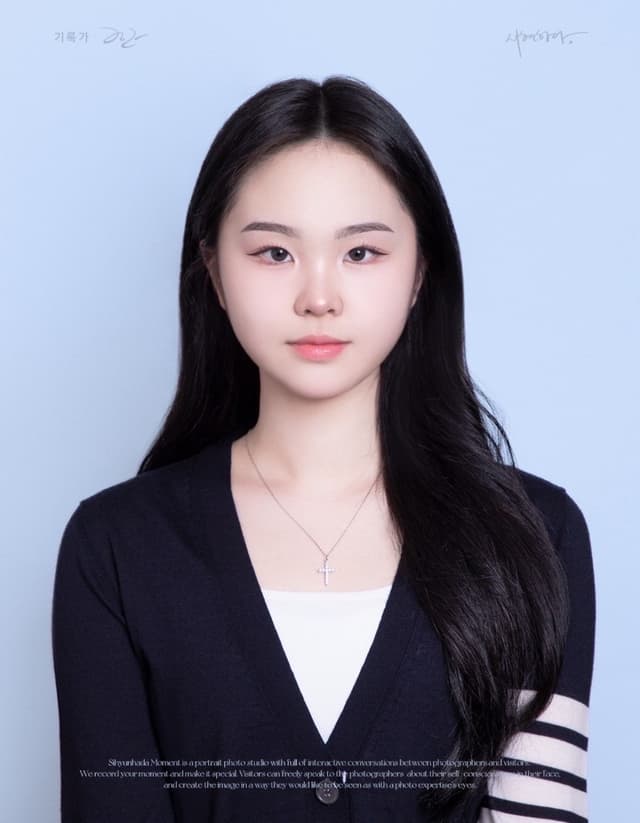
“Vulnerability is not a weakness but a courage that shows self-reflection, ultimately becoming the source of strength.”
I created this platform after confronting the mental health crisis in South Korea, where I saw countless young people suffering in silence, and where seeking help or therapy is often misunderstood due to social stigma.
Before building Theraflow, my first step was starting with my podcast, “I'm Fine, Thanks,” where I introduced core therapeutic concepts into conversations that felt real and accessible. However, I soon realized that awareness alone wasn't enough. That realization led me to create Theraflow.
Theraflow is more than a platform — this is a safe space where anyone can access a wide range of therapeutic knowledge that has long been limited to a privileged few.
In the end, I hope to reshape how we perceive mental health in society — because vulnerability is not a weakness but a courage that shows self-reflection, ultimately becoming the source of strength for people.
Be part of the change.
Every person who engages with their mental health honestly makes it a little easier for the next person to do the same.